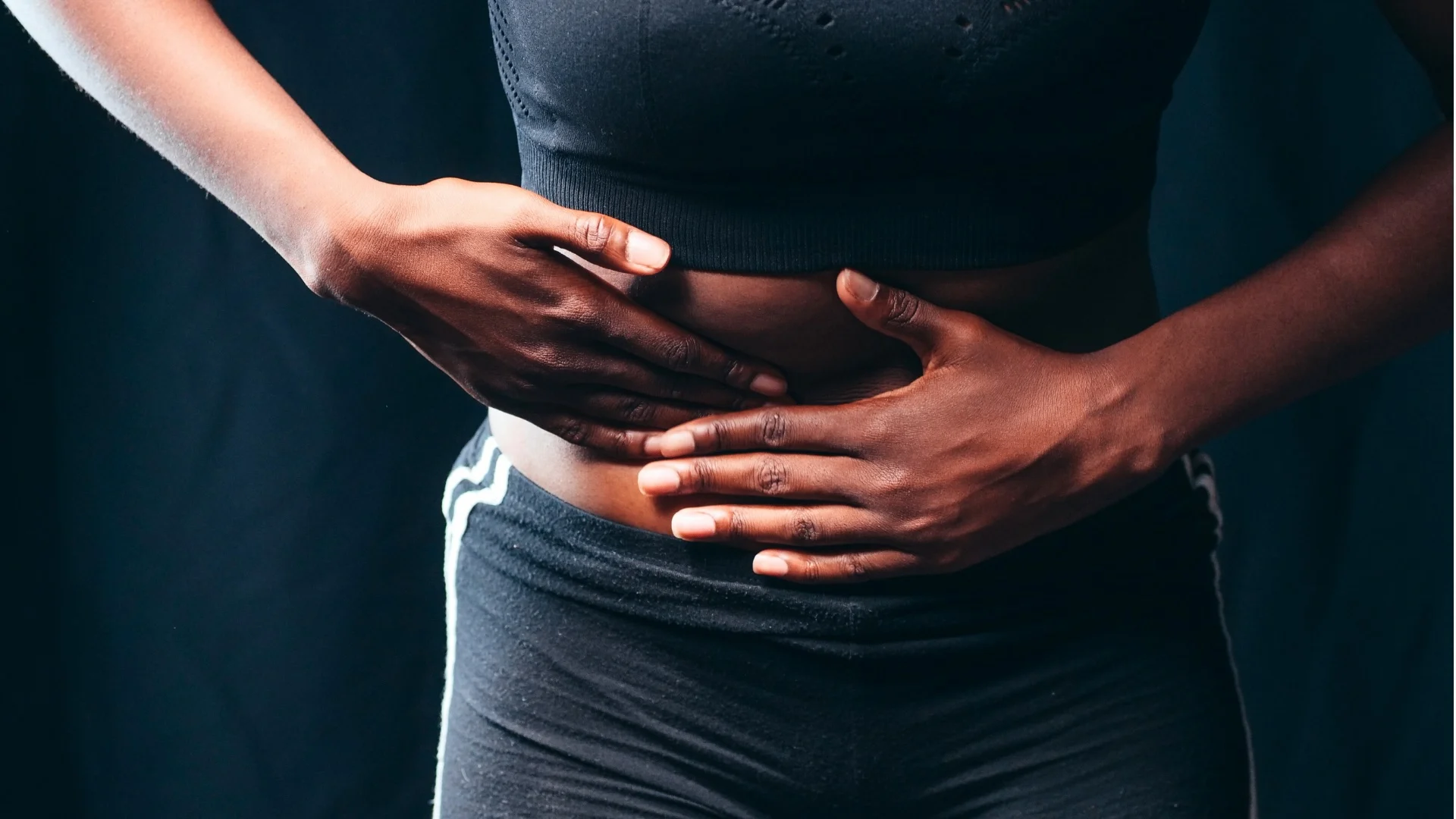
Constipation occurs when bowel movements become tough, infrequent, or difficult to pass. Medically, it is generally defined as having fewer than three bowel movements a week. However, digestive systems are as unique as the individuals they belong to. Constipation happens when waste moves too slowly through the digestive tract, causing the stool to become hard and dry.
Pay attention to common symptoms such as having lumpy or very dry stools, straining excessively to go to the bathroom, or experiencing a persistent feeling of fullness, abdominal cramping, or bloating.
The Human Impact: How it Affects Us Differently
Constipation does not discriminate, but it manifests differently across various stages of life.
- The Impact on Children: For parents, seeing a child struggle can be deeply distressing. In children, it is often triggered by dietary transitions, anxiety, or simply being “too busy playing” to use the bathroom. A child might begin withholding their stool because they fear it will hurt, which only makes the problem worse. This leads to stomach aches and irritability, requiring immense patience from parents.
- The Impact on Women: Women are statistically more prone to constipation, largely due to hormonal fluctuations. Furthermore, pregnancy brings a host of physical changes that frequently lead to digestive slowdowns. Managing this safely is essential for maternal comfort.
- The Impact on Men: Men face their own unique challenges. Societal pressures often mean men are less likely to seek medical help, choosing to ignore chronic straining. However, ignoring chronic constipation can sometimes mask other underlying colon issues.
Avoidance and Prevention: Lifestyle is Medicine
For most people, constipation can be successfully managed with deliberate lifestyle changes:
- Embrace a Fibre-Rich Diet: Your diet is your first line of defence. Eating foods rich in protein, fibre, potassium, and magnesium – such as fruits, vegetables, beans, nuts, and whole grains is key. Fibre adds bulk and softness to your stool.
- Hydration is Crucial: Fibre needs water to do its job. If you increase your fibre without drinking enough clean water, you may actually make constipation worse. Limit high-sugar drinks like sodas, which can negatively affect your bowels.
- Keep Moving: Physical activity decreases the time it takes food to move through the large intestine. Even a brisk 30-minute walk can stimulate your digestive muscles.
Treatment and Peace of Mind
If lifestyle changes do not provide relief, gentle over-the-counter treatments can help. However, if your constipation is severe, frequent, or accompanied by unexplained weight loss, it is time to see a doctor. Regular medical check-ups detect health issues before they become serious.
When consulting a doctor for digestive issues, Sizwe Hosmed members are encouraged to use the Scheme’s broad network of Designated Service Providers (DSPs). A DSP is a healthcare provider who has an agreement with the Scheme to provide treatment at a negotiated rate. Staying in the network ensures your day-to-day benefits stretch further and protects you from unexpected out-of-pocket co-payments.